Xero
Designing better billing experiences at the intersection of Product and CX
Overview
This case study is drawn from recurring patterns across my CX Billing work at Xero, with customer details anonymised.
Through cases involving pricing, credits, discounts, transfers, and partner cases, I saw that many billing problems were not isolated support issues. They were signs of deeper friction across product behaviour, policy, operations, and communication.
The Challenge
Customers usually arrived with a specific billing problem, but the real issue often sat across multiple parts of the journey. A charge could be technically correct and still feel wrong because the logic was unclear, the process was fragile, or the fix relied on specialist intervention.
The challenge was to resolve the immediate issue while recognising where the experience itself was creating avoidable friction.
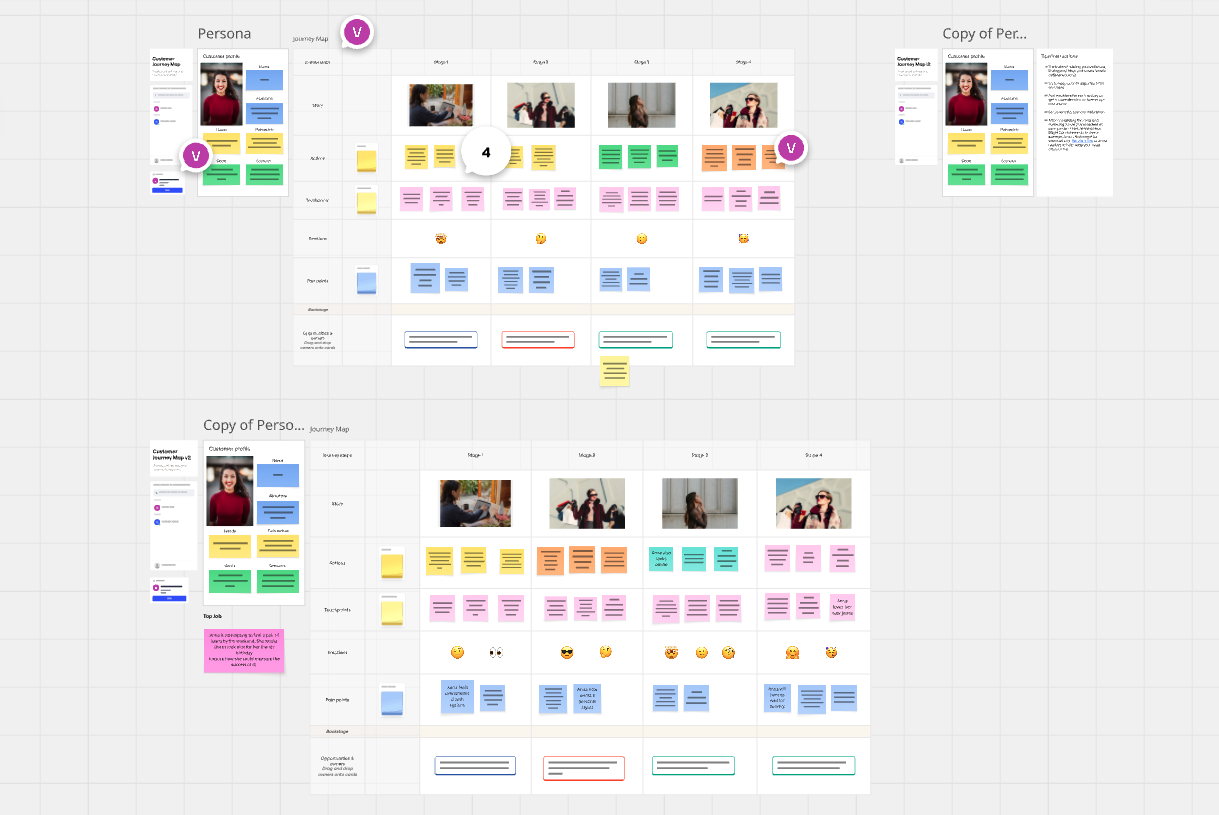
Figure 1: Journey mapping exercise completed while shadowing product designers at Xero, making customer friction visible across a journey
My Approach
I treated complex billing cases as experience evidence rather than one-off transactions.
I looked for repeat patterns across high friction issues, translated billing logic into clearer customer and internal narratives, and surfaced recurring themes that pointed to wider journey gaps. This helped move the conversation beyond case closure and toward a bigger question: where is the billing experience too confusing, too fragile, or too dependent on CX to repair?
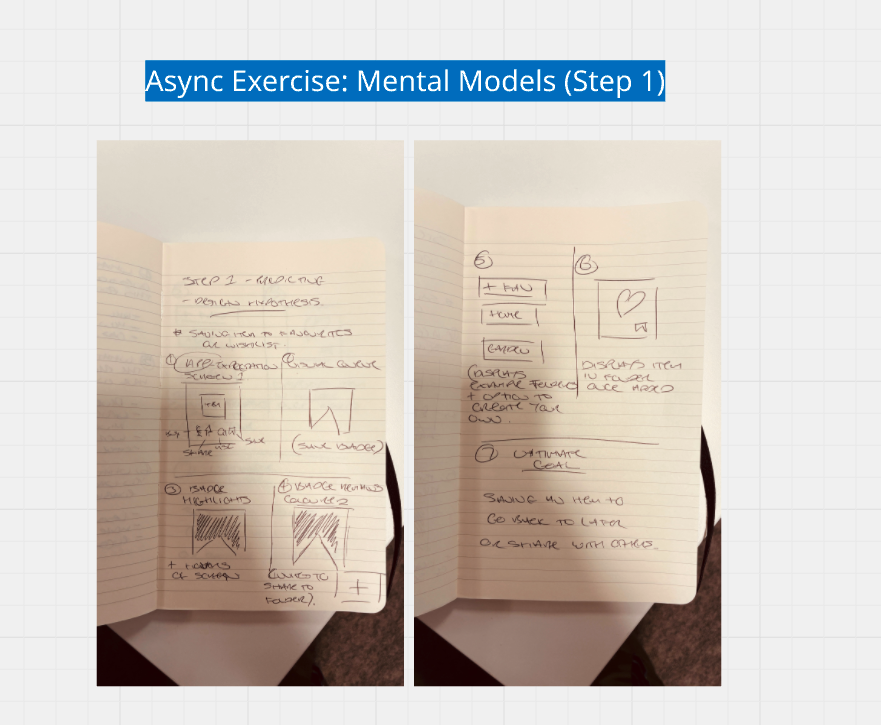
Figure 2: Mental model exercise from a product design shadowing task translating customer behaviour into experience thinking
Impact
This work helped strengthen the link between frontline insight and upstream improvement.
By seeing the same kinds of issues repeat across credits, pricing, transfers, discounts, and partner edge cases, I was able to show that some support demand was being created by the experience itself, not just by isolated mistakes.
That made it easier to frame billing cases as design signals: where product logic was hard to understand, where operational workarounds were carrying too much of the experience, and where CX was repeatedly stepping in to repair journeys that should have been clearer by design. Connecting customer pain, operational reality, and product behaviour to define better end-to-end experiences is the work.
Additional artefacts including research outputs and strategic frameworks available on request
Siobhan is a unique CX specialist who brings together customer empathy, strategic thinking, and a real passion for product design. What stands out most is her ability to look beyond customer experience as a standalone function and connect it meaningfully to UX and product design, always with the goal of creating more seamless, intuitive, and human experiences.
She is deeply passionate about designing with customers, not just for them, and have a strong instinct for translating customer pain points into opportunities to improve usability, reduce friction, and drive overall customer happiness. Siobhan’s holistic perspective and commitment to joining up CX, UX, and product thinking make them someone I would highly recommend to any team focused on building better products and stronger customer outcomes.
- Melanie Fischer, CX Director at Xero
I had the pleasure of mentoring Siobhan as she began exploring a transition from CX into Product Design. From our first conversations, it was clear she’s dedicated, smart and genuinely receptive to learning. She shows up prepared and takes feedback eagerly.
What stands out most is how Siobhan connects her CX background with design thinking. She sees her Customer Experience work as a lens that sharpens her design instincts, grounding them in real understanding of customer problems rather than assumptions.
Beyond her skills, Siobhan is lovely to work with. I’m confident she’ll bring real value wherever her career takes her.
- Vivien Ilett, Senior Product Designer at Xero